
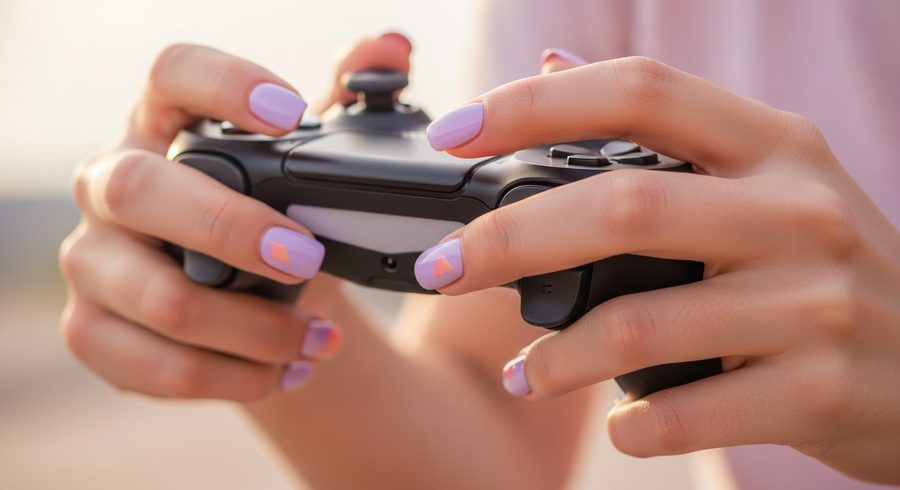
Women in Gaming 2026: The Data Behind the Rise
Nearly half of all players are women, and in 2026 the industry numbers are finally starting to move too. Here's what the data actually says.
Ask a room full of strangers to picture “a gamer” and most of them will still describe the same person. The data stopped agreeing with that picture a long time ago.
Women now make up roughly 45-48% of everyone who plays games, a share that has held for years and creeps upward with every industry survey. That’s not a niche. That’s not a demographic to win over. That’s half the audience of the biggest entertainment medium on the planet.
The player numbers stopped being the story
The player split is old news, honestly, it’s been hovering near parity since before the pandemic. What’s changed in 2026 is where else the numbers are finally moving:
- Development: women hold roughly a quarter to a third of games-industry jobs depending on the study and region. Still far from parity, but the trendline has pointed up for six straight years, and graduate intakes at major studios are approaching even splits.
- Leadership: the number of women in studio-head, creative-director and executive roles remains the industry’s weakest stat, but 2025-26 saw more women promoted into franchise-level creative leadership than any period before it.
- Esports and streaming: women’s circuits keep growing, but the bigger shift is outside them, women building six- and seven-figure creator businesses across every genre, not just the ones marketed at them.
Where the gap actually lives
The player base reached parity years before the industry did, and the friction shows up in specific, measurable places: hiring pipelines, retention after the five-year mark, and, bluntly, community behavior. Surveys of women who play online games still report harassment rates that would be considered a crisis in any other consumer category.
That’s the honest version of the story. The rise is real, and so is the resistance.
But here’s what the data also shows: studios with more diverse teams ship games rated higher by all players, communities with active moderation retain women at nearly double the rate of unmoderated ones, and the fastest-growing gaming categories of the decade, cozy games, life sims, social sims, are the ones where women were the early majority.
Why this matters for what you play
Follow the money. Publishers read the same charts we do, and the last two years of greenlights show it: more games with women leads, more cozy and social titles with real budgets behind them, more marketing that doesn’t treat women as an afterthought audience.
Half the players were always here. The industry is finally building like it believes it.
What percentage of gamers are women in 2026?
Industry trackers consistently put women at roughly 45-48% of all people who play games, a share that has held steady or grown slightly every year since 2020.
Are women equally represented in game development?
Not yet. Women make up roughly a quarter to a third of the game-development workforce depending on region and study, well below their share of the player base, though the gap has narrowed each year.
Which genres do women play most?
The honest answer is: all of them. Life sims, puzzle and cozy titles index highest, but shooters, RPGs and competitive games all have tens of millions of women playing, the 'casual only' stereotype hasn't matched the data for years.